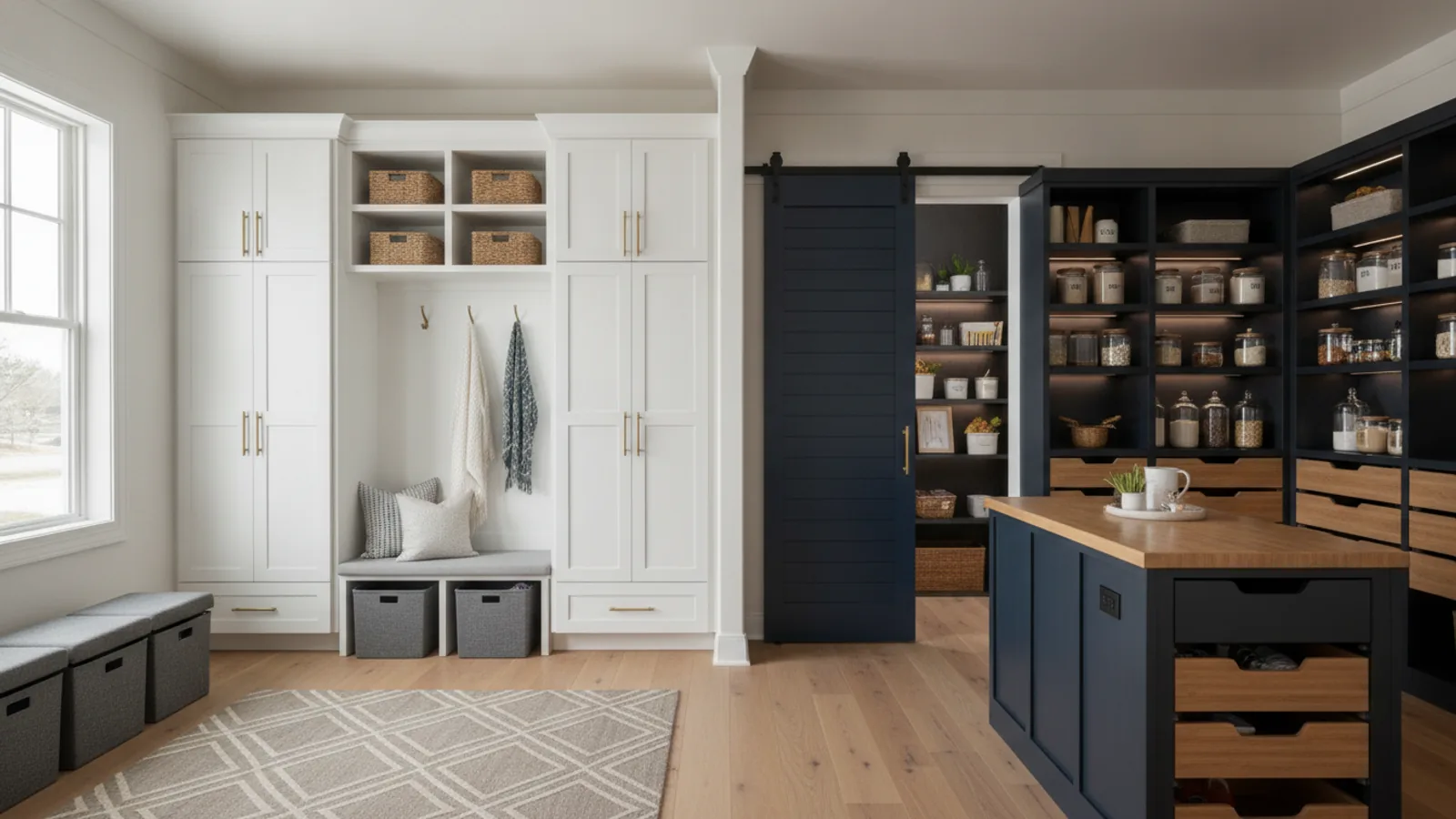
New Build Home Before You Renovate
A practical step-by-step guide to new build home before you renovate, including preparation, instructions, common issues, tips, and next steps.

New Build Home Before You Renovate
This guide explains how to approach new build home before you renovate, including the preparation, practical steps, common mistakes, and final checks that help you finish with confidence.
Before You Start
Step-by-Step Instructions
Quick Reference
Common Problems When You New Build Home Before You Renovate
Renovating a new build carries a unique set of challenges compared to working on an older property. Being aware of these common problems can help you avoid costly mistakes and save a lot of stress.
Voiding Your New Build Warranty
This is perhaps the biggest and most common issue. Many new build warranties have strict clauses about modifications. If you undertake significant structural, electrical, or plumbing work without prior approval from the developer (especially in the initial 2-year defect liability period) or without using certified professionals, you risk voiding parts or all of your warranty. This means if a major issue arises later, such as a structural defect or a faulty pipe, you might be entirely responsible for the repair costs, which could be thousands of pounds.
- Fix: Always **read your warranty thoroughly** before planning any work. For significant changes, seek **written approval** from your developer and always use **certified tradespeople** who can provide appropriate certificates (e.g., an Electrical Installation Condition Report or Gas Safety Certificate).
Discovering Hidden Snags After Renovation
Sometimes, living in a new build for a few months reveals issues that weren't apparent during the initial snagging inspection. These could be anything from seasonal dampness appearing in winter, to noise transfer between rooms, or a slowly leaking pipe behind a wall. If you’ve already started renovating that area, particularly covering up walls or floors, you might inadvertently make the snag harder to diagnose, more expensive to fix, or even damage your new renovation work during the repair.
- Fix: This reinforces the importance of **living in your home for a period** and ensuring all initial developer snags are rectified. If a new snag appears, stop work in that area immediately and **report it to the developer**.
Misunderstanding Structural Elements
New build homes are designed with specific structural integrity in mind. What might seem like a simple internal wall to remove could be load-bearing, or contain essential services like ventilation ducts, major electrical cables, or plumbing risers. Attempting to remove or alter such a wall without professional assessment can compromise the entire structure of your home, leading to dangerous and extremely costly consequences.
- Fix: **Never assume a wall isn't load-bearing**. For any wall removal or significant alteration, always engage a **structural engineer** or architect. They will assess the structure and design appropriate solutions.
Developer Disputes Over Repairs or Modifications
Even with careful planning, disagreements with your developer can arise. This could be over the quality of snag repairs, the interpretation of warranty clauses regarding your proposed modifications, or approval for certain changes. These disputes can cause significant delays, stress, and potentially legal costs.
- Fix: Keep **meticulous records** of all communication, photos, and approvals. If a dispute escalates, seek advice from organisations like the **NHBC Resolution Service** (if your warranty is with them) or a legal professional specialising in property law.
Cost Overruns Due to Unexpected Challenges
Renovating a new build can sometimes involve unexpected challenges that lead to increased costs. For example, if you want to move a radiator, the pipework might be embedded in concrete flooring, making it a much bigger and more expensive job than if it were under floorboards. Or, the quality of a developer-installed system (like a ventilation unit) might not be sufficient for your enhanced renovation, requiring an upgrade.
- Fix: Always have a **contingency fund of 10-20%** on top of your estimated renovation budget. Get **detailed quotes** from professionals that itemise potential challenges and costs.
Advanced Tips for New Build Home Before You Renovate
Once you've mastered the basics, these advanced strategies can help you maximise your new build's potential and ensure your renovations are truly successful.
1. Invest in an Independent Professional Snagging Survey
While doing your own detailed snagging is crucial, hiring an independent snagging company can be an excellent investment. These professionals specialise in new build inspections and often have thermal cameras, moisture meters, and extensive checklists to identify issues that even a keen homeowner might miss. They are also adept at using the technical language developers understand, often leading to more effective snag resolution.
- **Benefit:** Uncovers hidden defects and structural issues, strengthens your case with the developer, and ensures a higher quality starting point for your renovations.
2. Consider Phased Renovations
Instead of tackling every renovation project at once, consider phasing them over time. This approach allows you to spread the financial cost, adapt plans as you live in the home, and minimise disruption. For example, you might focus on essential cosmetic changes in the first year, then save for a kitchen remodel in year two, and an extension in year three or four.
- **Benefit:** Better financial management, allows for design adjustments based on experience, and reduces overall stress.
3. Future-Proof Your Renovations
When planning, think beyond immediate needs. Consider how your home might need to adapt in 5, 10, or even 20 years. This could include installing extra conduits for future smart home technology, planning for an electric vehicle charging point, or even ensuring certain areas can be easily adapted for accessibility needs later on. Investing a little extra now for future-proofing can save significant costs and disruption later.
- **Benefit:** Increases long-term value, avoids redundant work, and makes your home more adaptable to changing needs and technologies.
4. Document Everything Meticulously
Go beyond just keeping receipts. Create a comprehensive homeowner's binder or digital folder. This should include:
- **Benefit:** Provides irrefutable evidence in case of disputes, helps with future maintenance, and is invaluable when selling the property.
5. Budget for Contingencies (Always!)
Even with a new build, unexpected costs can arise during renovations. A pipe might be in an unexpected place, a wall might be harder to alter than anticipated, or materials might suddenly increase in price. Always allocate an additional **10-20%** of your total renovation budget as a contingency fund. This acts as a financial buffer against unforeseen problems and helps prevent your project from grinding to a halt.
- **Benefit:** Prevents financial stress, ensures project completion, and allows flexibility for unexpected issues or desired upgrades.
New Build Home Before You Renovate FAQ
Q: Can I start decorating my new build straight away?
A: Generally, yes, cosmetic decorating like painting and wallpapering is fine. However, be aware that new plasterwork needs to dry out completely, which can take several weeks or months. Painting too soon might lead to peeling or bubbling. Use a breathable 'mist coat' as a first layer, especially on new plaster.
Q: When is the best time to consider an extension on a new build?
A: While you can start planning an extension soon after moving in, actually building it is often best done after the developer's initial 2-year defect liability period has passed. This avoids potential conflicts with the developer's warranty and allows you to understand how the existing house performs. You'll also need planning permission and building regulations approval, and potentially developer consent if restrictive covenants apply.
Q: What is a 'snagging list' and why is it so important?
A: A snagging list is a detailed record of any defects, imperfections, or incomplete work in your new build home. It's crucial because it's your opportunity to have the developer fix these issues under their warranty, often within the first two years. Without a comprehensive snagging list, you might be responsible for fixing problems that were present from the day you moved in.
Q: Do I need developer permission to remove an internal wall?
A: Yes, almost certainly. Even if it's not load-bearing, removing an internal wall usually requires building regulations approval. More importantly, if you are still within the initial warranty period, you will need the developer's written consent to avoid voiding your warranty. They will want to ensure structural integrity and that no essential services (electrical, plumbing, ventilation) are affected.
Q: Can I install new flooring in my new build immediately?
A: Yes, replacing standard developer-fitted carpets or vinyl with new flooring (like engineered wood, laminate, or tiles) is usually fine. However, ensure the subfloor is completely dry and level, especially if installing rigid flooring. If you're removing original flooring that covers an underfloor heating system, proceed with extreme caution and ideally consult the developer or a flooring professional.
Q: What if I find a major defect after my initial snagging report?
A: Don't panic. Most new build warranties have a mechanism for reporting defects that appear later, especially within the initial 2-year period. Document the new defect with photos and notes, and report it to your developer immediately, following their official process. Keep a record of your communication. For major structural issues, the 10-year warranty typically provides cover.
Final Checklist for New Build Home Before You Renovate
- Warranty & Contract Read: Have you thoroughly reviewed all warranty documents and your purchase contract?
- Detailed Snagging Completed: Have you conducted a comprehensive, room-by-room inspection of your new home?
- Snags Reported & Actioned: Have all identified snags been formally reported to the developer, and are they being fixed or resolved?
- Lived-In Period: Have you spent at least 6-12 months living in the property to understand its nuances and your real needs?
- Renovation Plans Drawn Up: Do you have clear, detailed plans for your desired renovations, including layouts and materials?
- Professionals Consulted: Have you sought advice from architects, structural engineers, or certified tradespeople for major changes?
- Permissions Obtained: Do you have all necessary planning permissions, building regulations approvals, and developer consents?
- Budget Set & Contingency Added: Have you established a realistic budget, including a 10-20% contingency fund for unexpected costs?
- Documentation Organised: Is all your homeowner information, including plans, photos, and communications, neatly organised and accessible?
- Warranty-Related Repairs Prioritised: Have all developer-responsible repairs been completed to your satisfaction before you start your own work?