Apartment Storage Ideas
A practical step-by-step guide to apartment storage ideas, including preparation, instructions, common issues, tips, and next steps.
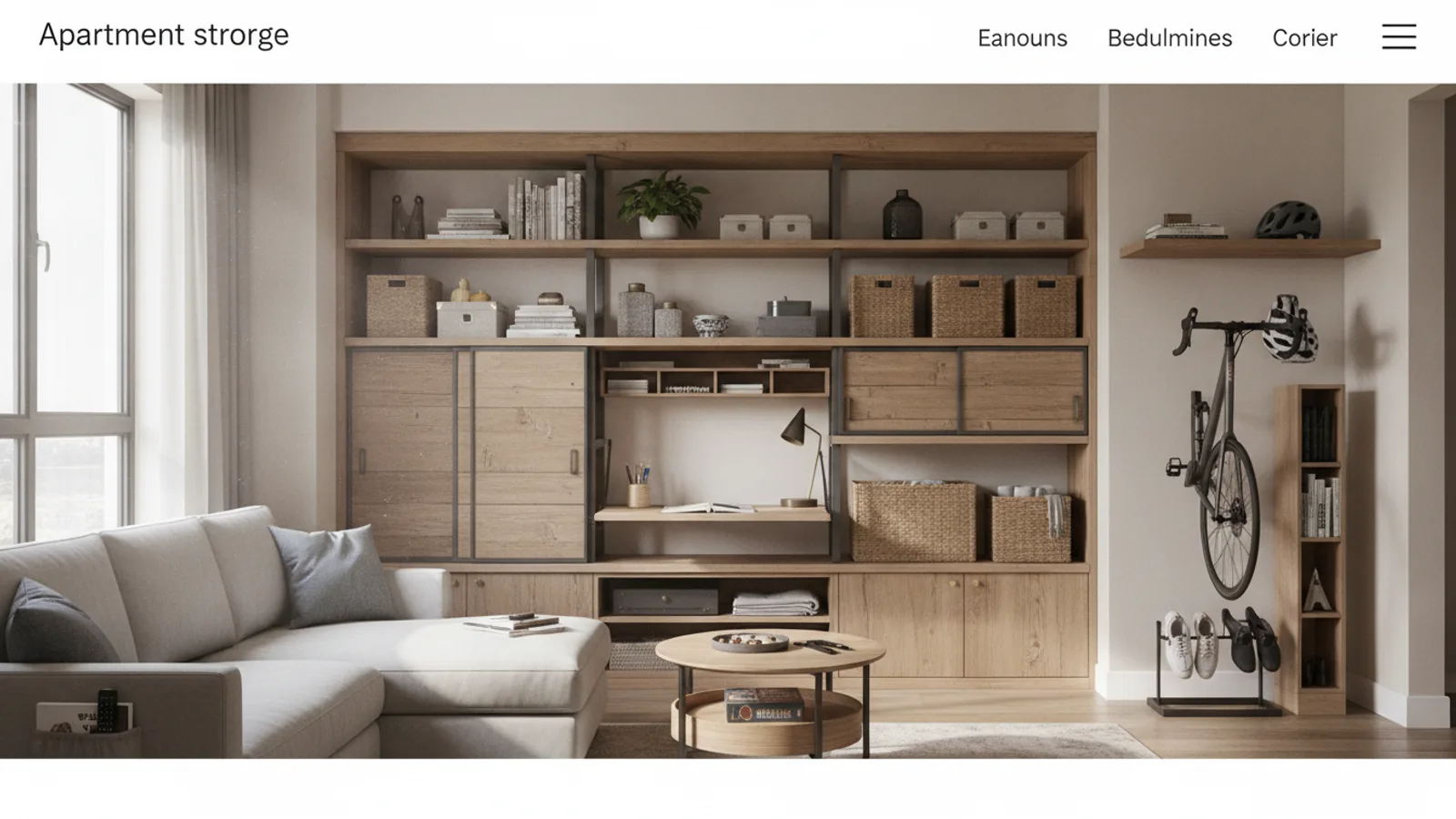
Apartment Storage Ideas
Living in an apartment often means making the most of limited space. This guide provides a clear, step-by-step process for decluttering your home and implementing clever storage solutions that maximise every square inch. Whether you're feeling overwhelmed by clutter or simply want to create a more organised, functional living space, these practical apartment storage ideas will help you reclaim your home. We'll focus on renter-friendly methods that don't require major alterations, making this guide perfect for anyone looking to improve their living environment.
Fast Answer
- Key Principle: Declutter thoroughly before you buy any storage containers.
- Main Strategy: Utilise vertical space (walls, doors) and hidden areas (under beds, inside furniture).
- Best Starting Point: Choose one small, manageable area, like a single kitchen cupboard or a bedside table.
Before You Start
- Measuring tape: Essential for checking dimensions of spaces and potential storage units.
- Note-taking tools: A notebook and pen or a notes app on your phone to jot down measurements and ideas.
- Sorting containers: Four large boxes or bags labelled: Keep, Donate/Sell, Bin, and Relocate.
- Basic cleaning supplies: Cloths, surface cleaner, and a vacuum cleaner for cleaning out spaces as you empty them.
- Your tenancy agreement: To check the rules on drilling, painting, or attaching items to walls.
Step-by-Step Instructions
Assess and Plan Your Space
Before you move a single thing, take a strategic look at your apartment. The goal is to understand what you have, how you use it, and where the unused potential lies. Start with one room to avoid feeling overwhelmed—the hallway, bathroom, or a single bedroom are great starting points.
Walk through the chosen room and identify the main clutter hotspots. Where do things tend to pile up? Note these down. Next, look for "dead space"—the unused areas that could be turned into valuable storage. This includes the space above wardrobes and kitchen cupboards, the area under your bed, the back of doors, and empty corners. Take photos with your phone to create a "before" record. Use your measuring tape to record the dimensions of these dead spaces so you know what size storage solutions will fit.
Declutter Ruthlessly, One Zone at a Time
This is the most crucial step. You cannot organise clutter. Working with the small zone you've chosen (e.g., your wardrobe, your kitchen worktop), take everything out. This forces you to handle each item individually and make a conscious decision about its future.
Use your four labelled boxes. As you pick up each item, sort it immediately:
- Keep: You use it regularly, it has significant sentimental value, or it is essential.
- Donate/Sell: It's in good condition but you no longer need or want it.
- Bin: It's broken, expired, or no longer usable.
- Relocate: It belongs in another room. Put it in this box to deal with later to avoid getting sidetracked.
Be honest with yourself. A good rule of thumb is the one-year rule: if you haven't used it in the past 12 months (and it's not a seasonal or deeply sentimental item), it's time for it to go. Once the space is empty, give it a thorough clean.
Categorise Everything You Keep
Now, focus only on your "Keep" pile. Before putting anything back, group similar items together. This step is about creating logic and order. In the kitchen, this means all baking equipment together, all tinned goods together, and all cleaning supplies together. In the bedroom, group all jumpers, all trousers, and all accessories.
This process is revealing. It shows you the true volume of what you own and highlights duplicates. You might discover you have four whisks or ten black t-shirts. This is another opportunity to refine your "Keep" pile. By seeing everything laid out in categories, you can design a storage system that fits the actual items you need to store, rather than guessing.
Maximise Vertical Space
In a small apartment, floor space is gold. The most effective way to gain storage is to think upwards. Your walls and doors offer a huge amount of untapped potential. This is where you can get creative, even as a renter.
Consider these renter-friendly options:
- Tall, narrow shelving units: A freestanding "ladder" shelf can lean against a wall, providing display and storage space without needing any drilling.
- Over-the-door organisers: These are brilliant for shoes in the bedroom, spices and jars in the pantry, or toiletries and cleaning supplies in the bathroom.
- Tension rods: Fit these inside cupboards or alcoves. In the kitchen, you can hang spray bottles from them to free up the cupboard floor. In a wardrobe, they can be used to hang scarves or accessories.
- Adhesive hooks and caddies: Modern adhesive products are strong enough to hold a surprising amount of weight and can be removed cleanly. Use them inside cupboard doors to hang lids, utensils, or hair styling tools.
Use Hidden Spaces and Multi-Functional Furniture
Some of the best storage is the storage you can't see. Look for opportunities to tuck things away out of sight, which helps make a room feel calmer and less cluttered. Your furniture can also play a key role if you choose pieces that work harder.
Focus on these key areas:
- Under the bed: This is a prime spot for out-of-season clothing, spare bedding, and shoes. Use wheeled boxes for easy access or vacuum-sealed bags to compress bulky items like duvets and winter coats.
- Storage furniture: When buying new furniture, prioritise items with built-in storage. An ottoman with a lift-up lid can store blankets and magazines. A coffee table with drawers hides remote controls and coasters. A storage bench in the hallway provides a seat while hiding shoes and bags.
- Sofa space: The space under and behind your sofa is often overlooked. Slim boxes can slide underneath to store things like board games, photo albums, or cables.
Implement Your New Organisation System
With your space clean, your items categorised, and your storage solutions ready, it's time to put everything back. This should be a thoughtful process. Place the items you use most frequently in the easiest-to-reach locations—between waist and shoulder height. Items you use less often can go on higher shelves or in lower cupboards.
Use your chosen containers and dividers to keep the categories you made earlier separate. For example, in a deep kitchen drawer, use dividers to create separate channels for cutlery, utensils, and gadgets. In the wardrobe, use slimline hangers to create more space on the rail and shelf dividers to stop piles of jumpers from toppling over. The goal is to give every single item a permanent, logical "home."
Create a Maintenance Routine
An organised apartment won't stay that way by itself. The final step is to build simple habits that prevent clutter from building up again. This doesn't need to be time-consuming; small, consistent actions make a huge difference.
Introduce these three simple rules into your life:
- The "One-In, One-Out" Rule: When you buy something new, like a pair of jeans or a book, an old one must be donated or discarded. This maintains equilibrium and stops your collections from growing out of control.
- Establish a "Landing Strip": Designate one small area near your front door for incoming items like mail, keys, and wallets. A simple tray or wall-mounted holder stops this daily influx from spreading all over your home.
- The 15-Minute Tidy: At the end of each day, spend just 15 minutes putting things back in their designated homes. Wipe down surfaces, put away coats, and clear the coffee table. This small daily investment prevents chaos from returning.
Quick Reference
| Situation | Use this | Why |
|---|---|---|
| Piles of shoes cluttering the hallway | A slimline, wall-mounted shoe cabinet or an over-the-door shoe rack. | It gets shoes off the floor, freeing up space and preventing tripping hazards. |
| Overcrowded kitchen cupboards | Tiered shelf inserts and under-shelf baskets. | These instantly double the usable shelf surface area for plates, bowls, and tins. |
| Wardrobe rail is completely full | Slimline velvet hangers and vacuum storage bags. | Slim hangers can create up to 50% more rail space. Vacuum bags compress bulky seasonal items. |
| No space for a home office | A wall-mounted folding desk or a "ladder desk" shelving unit. | Provides a functional workspace without sacrificing a large area of floor space. |
| Bathroom products cover every surface | Adhesive shower caddies and a wall-mounted magnetic strip for tweezers and clippers. | Moves items off surfaces and onto the walls, making cleaning easier and the space feel larger. |
Common Problems When You Implement Apartment Storage Ideas
- Buying storage containers too early. This is the most common mistake. You end up with boxes that are the wrong size for your items or that don't fit your space. The fix: Always complete the decluttering, cleaning, and categorising steps first. Then, measure your items and your space, and buy only the specific containers you need.
- Making things inaccessible. It's tempting to pack everything away tightly, but if your everyday items are hard to get to, you'll either stop using them or just leave them out, creating new clutter. The fix: Follow the "hot zone" and "cold zone" principle. Keep frequently used items in easy-to-reach spots (hot zones) and store seasonal or rarely used items in harder-to-reach places like the top of a wardrobe (cold zones).
- Ignoring the aesthetics. A space can be organised but still feel chaotic if the storage solutions are visually jarring. The fix: Try to stick to a cohesive colour palette for your visible storage boxes, baskets, and files. Decanting dry foods into matching clear jars, for example, creates a sense of calm and order in a kitchen.
- Forgetting about future clutter. You complete a huge organisation project, but within a few months, the clutter has returned. The fix: Your work isn't done until you've established a maintenance system. The "one-in, one-out" rule and a daily 15-minute tidy are non-negotiable for long-term success.
Advanced Tips for Apartment Storage Ideas
- Go Digital with Paperwork: Piles of paper are a major source of clutter. Invest in a simple document scanner (or use a scanning app on your phone) to digitise important documents, manuals, and receipts. Store them in organised cloud storage folders and shred the originals (unless you need to keep a hard copy for legal reasons).
- Create Activity Zones: Even in a studio apartment, you can create psychological space by zoning. Use a bookshelf to partition a "work" area from a "relaxing" area. Keep all items related to that activity within the zone—for example, all your books and a reading light in the reading corner.
- Use the "File Folding" Method for Clothes: Instead of stacking clothes like t-shirts and jumpers flat in a drawer, fold them into neat rectangles and "file" them vertically, one behind the other. This allows you to see everything you own at a glance, and you can pull one item out without disturbing the rest of the pile.
- Think Like a Retailer: Retail shops are designed to display a lot of stock in a small space appealingly. Borrow their tricks. Use clear acrylic risers on shelves to make items at the back visible. Use hooks to display items like necklaces or kitchen utensils instead of tangling them in a drawer.
Apartment Storage Ideas FAQ
How can I create more storage in a small kitchen?
The key to a small kitchen is using the walls and inside of cupboards. Use magnetic knife strips, wall-mounted spice racks, and hanging rails for utensils. Inside cupboards, use tiered shelves to stack plates and tins efficiently. Hang a pot rack from the ceiling if your tenancy allows it, or use an organiser on the inside of the cupboard door to store pan lids.
What are the best storage solutions that won't damage my rental property?
Focus on freestanding and temporary solutions. Tall, leaning bookshelves, over-the-door organisers, tension rods inside cupboards and alcoves, and high-quality adhesive hooks (like Command strips) are all excellent choices. Furniture like ottomans and storage benches also add storage without altering the property itself.
My wardrobe is overflowing. What can I do without getting rid of all my clothes?
First, swap out your bulky hangers for slimline velvet ones—this can genuinely create significant extra space on the rail. Second, use vacuum storage bags for all out-of-season clothing. A compressed bag containing five bulky winter jumpers can be a quarter of its original size. Finally, use drawer dividers or storage cubes for folded items to use the shelf and floor space more effectively.
I have a lot of books but no space for a big bookshelf. What are my options?
Consider floating shelves or picture ledges mounted on the wall if your tenancy allows for drilling. If not, look for narrow "spine" bookshelves that hold books horizontally in a tall, thin stack. You can also incorporate books into your decor by stacking them neatly on side tables or a fireplace mantelpiece.
Final Checklist for Apartment Storage Ideas
- Review your tenancy agreement for any rules about attaching fixtures to walls.
- Choose one small area to begin with to build momentum.
- Empty the space completely before starting to sort.
- Sort all items into Keep, Donate/Sell, Bin, or Relocate piles.
- Clean the empty space thoroughly.
- Group your "Keep" items into logical categories.
- Measure your space and plan your storage solutions before buying anything.
- Prioritise vertical and hidden storage to maximise floor space.
- Give every item a designated "home" when putting things back.
- Implement a maintenance routine, including the "one-in, one-out" rule and a daily tidy.